
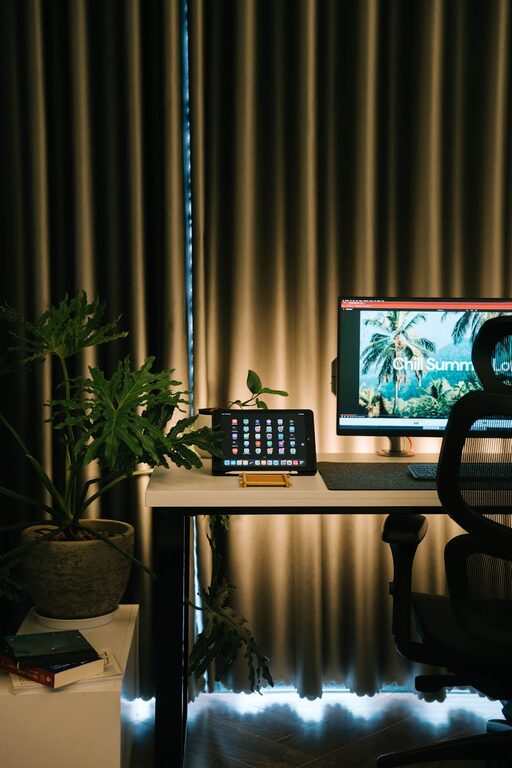
Creating a relaxing home office environment is essential for maintaining focus, comfort, and productivity throughout the workday. Whether you work remotely full-time or occasionally need a quiet space to complete tasks, your home office should feel inviting and stress-free. In this post, we’ll explore effective strategies to help you design a workspace that supports both your mental well-being and professional success.
Why a Relaxing Home Office Matters
Spending hours in a noisy or cluttered workspace can negatively affect your mood and efficiency. A calming office environment reduces distractions, lowers stress levels, and helps you stay motivated. Designing a space with comfort and tranquility in mind empowers you to work smarter, not harder.
Choose the Right Location
Start by selecting the best spot in your home for your office. Ideally, this should be a quiet area with minimal foot traffic. Consider the following:
– A spare room that can serve as a dedicated office
– A corner in your living room or bedroom with enough space for a desk and chair
– Near a window for access to natural light
Having a designated area signals to your brain that it’s time to focus, making it easier to separate work from relaxation.
Optimize Natural Light
Natural light boosts mood and energy, making it a valuable element in your home office. Position your desk close to windows to take advantage of sunlight. Avoid glare on your computer screen by arranging your workspace so windows are to the side rather than directly in front or behind you.
If natural light is limited, use adjustable lighting that mimics daylight. Lamps with soft, warm bulbs can reduce eye strain and create a cozy atmosphere.
Prioritize Ergonomics
Comfort is crucial for long hours at the desk. Invest in ergonomic furniture to support good posture and reduce fatigue.
Key ergonomic tips:
– Use a chair with adjustable height and good lumbar support
– Position your monitor at eye level to prevent neck strain
– Keep your keyboard and mouse at a comfortable height to avoid wrist pain
– Consider a footrest if your feet don’t rest flat on the floor
Taking care of your physical comfort helps you stay focused and working longer without discomfort.
Declutter and Organize
A cluttered workspace can make it harder to concentrate. Keep your desk tidy by limiting the number of items you keep on it daily. Use organizers, shelves, or drawers to store supplies neatly. Try these steps:
– Only keep essentials like your computer, notebook, and pen within arm’s reach
– Use cable management solutions to reduce tangled cords
– Regularly clear away papers and unnecessary items
An organized space creates a peaceful environment that welcomes productivity.
Incorporate Soothing Colors
Color impacts mood, so choose calming shades for your office. Light blues, greens, and neutrals promote relaxation and focus. You can incorporate these colors through:
– Wall paint or wallpaper
– Desk accessories like mouse pads and pen holders
– Artwork or decorative cushions
Bright or overly bold colors can be stimulating, so keep your palette soft and subtle for a tranquil workspace.
Add Personal Touches
Personalizing your office can make it more inviting. Include items that inspire and motivate you, such as:
– Family photos or art prints
– Plants that add greenery and improve air quality
– A cozy throw blanket or cushion
While personal touches are important, avoid overcrowding the space to maintain calmness.
Manage Noise Levels
Noise can be a major distraction, especially at home. To create a quieter environment, consider:
– Using noise-cancelling headphones or earplugs
– Playing soft background music or white noise
– Closing doors or using room dividers to block household sounds
A quieter office will help you stay immersed in your work without interruptions.
Maintain Air Quality
Fresh air and good ventilation contribute to alertness and well-being. Open windows regularly when possible to circulate air. If outdoor air is limited, an air purifier or a few indoor plants can improve air quality by reducing dust and toxins.
Establish a Routine and Break Space
Finally, creating a relaxing home office is not just about the physical space. Having a routine that separates work time from breaks can keep stress at bay. Consider setting up a small area nearby where you can stretch, meditate, or take a short rest. Moving away from your desk during breaks helps refresh your mind.
—
By following these tips, you can turn your home office into a peaceful and productive environment that supports your best work and overall comfort. Remember, the key is balancing functionality with relaxation, so tailor your space to what makes you feel focused and at ease.