
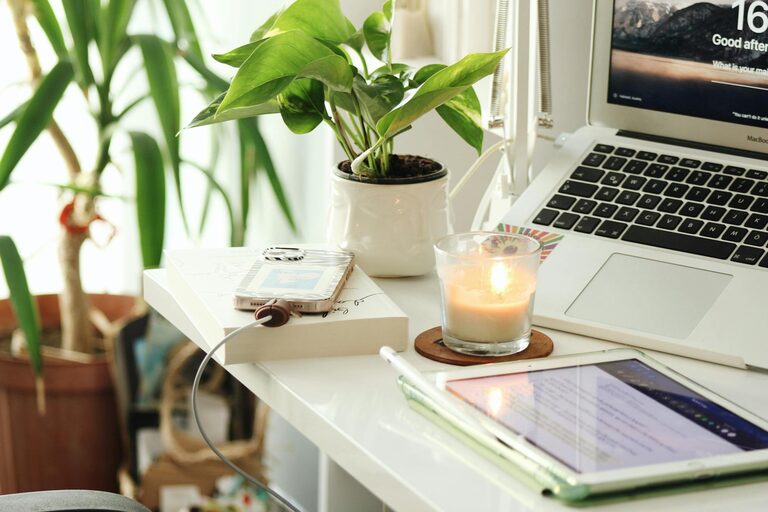
Working from home has become increasingly common, and having a dedicated, well-organized space can make all the difference in how productive and comfortable you feel during your workday. Whether you’re new to remote work or looking to improve your current setup, creating a productive home office environment involves more than just putting a desk and chair in a room. Here are practical tips to help you design a workspace that supports focus, creativity, and efficiency.
Choose the Right Location
Picking the ideal spot for your home office is the first step toward productivity.
– Privacy and Quietness: Select a room or corner where you can minimize distractions. Avoid high-traffic areas or spaces where noise is common.
– Natural Light: Try to position your desk near a window. Natural light can improve mood and reduce eye strain.
– Temperature Control: Ensure your space has good ventilation and a comfortable temperature. Being too hot or too cold can hinder concentration.
Invest in Ergonomic Furniture
Comfort is key when spending long hours at your desk.
– Ergonomic Chair: Choose a chair that supports your lower back and allows your feet to rest flat on the floor.
– Adjustable Desk: If possible, consider a desk that lets you alternate between sitting and standing.
– Monitor Placement: Position your computer monitor at eye level, about an arm’s length away, to avoid neck and eye strain.
Organize Your Workspace
Keeping your office tidy helps maintain focus and reduces stress.
– Declutter Regularly: Remove unnecessary items from your desk to create a clean, distraction-free zone.
– Storage Solutions: Use shelves, filing cabinets, or desk organizers to keep documents and supplies neatly arranged.
– Cable Management: Tidy up cords and cables using clips, ties, or cable covers to prevent a messy look and potential accidents.
Optimize Lighting
Good lighting protects your eyes and keeps you alert.
– Task Lighting: Supplement ambient light with a desk lamp that provides focused lighting on your work area.
– Avoid Glare: Position your screen and lights to prevent reflections and glare, which can cause discomfort.
– Use Soft, Warm Light: Bright, harsh lighting can be tiring, so opt for bulbs that offer warm or natural light tones.
Minimize Distractions
Creating boundaries helps you stay in work mode.
– Set Clear Boundaries: Inform household members of your work hours to minimize interruptions.
– Use Noise-Canceling Tools: Headphones or white noise machines can block distracting sounds.
– Limit Phone Use: Consider turning off non-essential notifications or putting your phone on “Do Not Disturb” mode during focused work periods.
Personalize Your Space
Adding personal touches can make your workspace inviting but keep it balanced.
– Inspiring Decor: Include artwork, plants, or items that motivate you without overwhelming the space.
– Comfort Items: Keep a water bottle, cozy blanket, or a comfortable keyboard and mouse to enhance your comfort.
– Vision Board or Planner: Visual reminders of your goals can keep you motivated throughout the day.
Establish a Routine
Your environment works best when paired with good habits.
– Set Work Hours: Create a schedule that mimics your office routine to separate work from personal time.
– Take Breaks: Use techniques like the Pomodoro method to give your mind regular pauses and prevent burnout.
– End-of-Day Ritual: Clear your desk and prepare a to-do list for the next day to help transition out of work mode.
Technology and Connectivity
Smooth technology setup is essential for productivity.
– Reliable Internet: Ensure your internet connection is fast and stable to avoid interruptions.
– Backup Power: Use surge protectors and consider an uninterruptible power supply (UPS) for critical devices.
– Necessary Accessories: Have printers, scanners, or other tools you might need easily accessible.
Health and Wellness Considerations
Balancing work with physical well-being boosts overall productivity.
– Stay Active: Incorporate quick stretches or desk exercises to reduce muscle tension.
– Keep Hydrated and Nourished: Have water and healthy snacks within reach.
– Air Quality: Use air purifiers or plants to maintain fresh indoor air.
—
Designing a productive home office environment is about more than just style — it’s about creating a functional, comfortable space that helps you focus and perform your best. By paying attention to location, ergonomics, lighting, organization, and your daily habits, you can turn your home office into a place where work feels natural and enjoyable. Give these tips a try and watch your productivity thrive!