
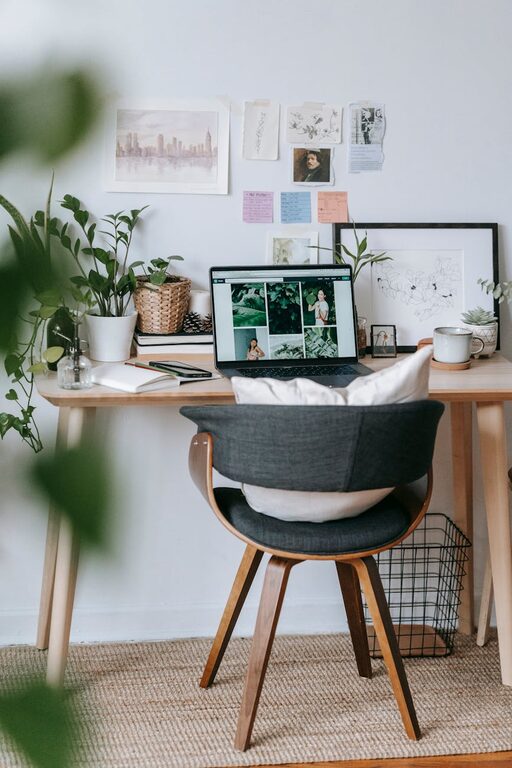
Creating a cozy and functional home office space is essential for anyone working remotely or managing tasks at home. A well-designed workspace can boost productivity, reduce stress, and help you maintain a healthy work-life balance. In this post, we’ll explore practical tips to help you create a home office that feels welcoming and helps you stay focused.
Choose the Right Location
Selecting the best spot in your home for your office sets the foundation for comfort and functionality.
– Look for natural light: Position your desk near a window if possible. Natural light helps improve mood and reduces eye strain.
– Minimize distractions: Choose a quiet corner or a room with a door that can be closed when you need to focus.
– Consider your daily routine: Pick a location that fits your work habits, whether that means near the kitchen for quick breaks or away from high-traffic areas.
Invest in Comfortable and Supportive Furniture
Your furniture should support long hours of work without causing discomfort.
– Ergonomic chair: Opt for a chair with adjustable height and good lumbar support to keep your back healthy.
– Functional desk: Choose a desk with enough surface area for your computer, notebooks, and other essentials. Adjustable or standing desks can offer more options.
– Storage solutions: Incorporate shelves, drawers, or filing cabinets to keep your workspace tidy.
Organize Wisely to Maximize Efficiency
An organized office helps reduce stress and saves time.
– Declutter regularly: Keep only necessary items on your desk to maintain focus.
– Use organizers: Desk trays, pen holders, and cable organizers keep small items in place.
– Label storage: Clearly labeling drawers or boxes makes it easy to find and store supplies.
Personalize Your Space for Comfort and Inspiration
A space that feels like yours can boost creativity and motivation.
– Add plants: Greenery improves air quality and adds a calming touch.
– Choose calming colors: Soft blues, greens, or neutrals can create a relaxing atmosphere.
– Display inspiring items: Frame photos, artwork, or motivational quotes that make you smile.
Optimize Lighting for Task and Mood
Proper lighting reduces eye strain and enhances your workspace.
– Use layered lighting: Combine overhead lights with task lighting, like a desk lamp, to avoid harsh shadows.
– Adjust brightness: Use bulbs that mimic daylight for a natural feel.
– Reduce glare: Position screens perpendicular to windows to minimize reflections.
Incorporate Technology Thoughtfully
Technology can either help or hinder your workflow.
– Reliable internet: Ensure strong Wi-Fi to avoid interruptions.
– Cable management: Use cable clips or sleeves to keep cords organized.
– Essential devices: Invest in quality monitors, keyboards, and headsets that enhance comfort and productivity.
Set Boundaries Between Work and Relaxation Areas
Defining your workspace helps maintain balance.
– Create a physical divider: Use a screen, bookshelf, or curtain to separate your office area.
– Stick to a schedule: Begin and end your workday at consistent times.
– Take breaks: Step away from your desk regularly to rest your eyes and move around.
Add Comfort Features
Small comforts can make a big difference over the course of the day.
– Warm textiles: Consider a cozy rug or throw blanket.
– Temperature control: Use a fan, heater, or open window to maintain a pleasant room temperature.
– Refreshments: Keep a water bottle or small snack nearby to stay energized.
Final Thoughts
Designing a cozy and functional home office is about balancing comfort with productivity. By choosing the right location, investing in good furniture, and keeping your space organized and personalized, you’ll create an environment where work feels natural and enjoyable. Remember to adjust your space as your needs evolve to maintain a workspace that supports your best work every day.